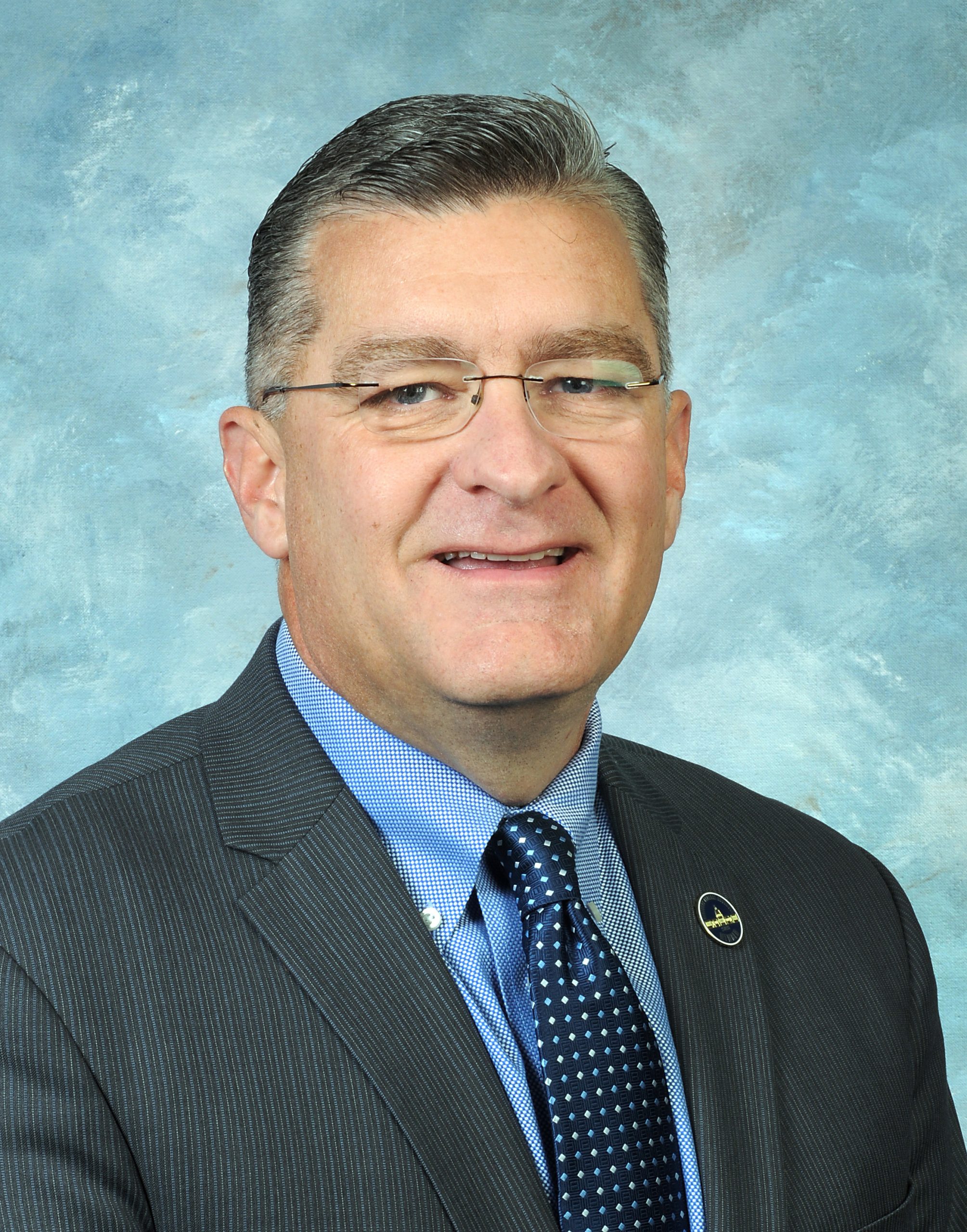
The following is from State. Sen. Robby Mills Office:
Week four of the 2026 Regular Session began with a delay because of severe winter weather that blanketed the Bluegrass over the weekend. Monday’s planned proceedings were postponed until Tuesday, giving state employees, lawmakers and the public a safer route into Frankfort. Many legislators live hours away, since the Kentucky General Assembly is a citizen legislature. I’m grateful to local officials, road crews and first responders whose work ensured the people’s business could continue at the Capitol.
By Friday, the General Assembly had reached the one-quarter mark of this year’s session. With momentum building around key priorities, we’re working diligently to advance meaningful legislation.
Budget begins its journey
Speaking of quarters, there are about 60 billion of them in Kentucky’s $15 billion biennial budget. This week, the House filed House Bill 500, its initial draft of the spending plan. The bill now begins its path through the legislative process. The Senate will take a disciplined, deliberate approach to the proposal, guided by our caucus and the professional budget staff supporting our efforts.
New priority bills filed in the Senate
Education remains a top priority in the Senate. This week, two education-focused bills—Senate Bills (SB) 2 and 4—were filed. SB 2 aims to ensure fair compensation by prohibiting school district administrators from receiving percentage raises that exceed the average percentage raise awarded to classroom teachers in the same district. SB 4 strengthens school leadership by creating a five-year development program for new principals, to better prepare them without creating additional costs for school districts.
The Senate passed several key measures this week. The following now head to the House for further consideration:
Senate Bill 181 clarifies and strengthens Kentucky’s student safety law passed unanimously in 2025 by making sure schools, families and volunteers clearly understand what communication is allowed and what is not. The bill defines inappropriate private electronic communication while clearly excluding appropriate contact like virtual instruction, public posts, school phone calls and messages that include a parent. It improves rules around parental consent forms and makes clear that students cannot be excluded from activities if a parent chooses not to give consent. It also reinforces abuse prevention training, bans nondisclosure agreements tied to misconduct and requires that investigations continue even if someone resigns. Provisions require schools to notify parents if their child is involved in a possible communication violation and allow certain approved messages from school resource officers or pupil personnel. These updates keep student protections strong while making the law easier to follow.
Senate Bill 17 makes targeted updates to Kentucky law governing Court‑Appointed Special Advocate (CASA) programs to improve oversight, streamline governance, and reflect current practice. The bill lowers the minimum size of local CASA boards from 15 to 12 members, removes the requirement for compliance with national CASA standards, and clarifies that oversight rests with the Department for Community Based Services. SB 17 makes conforming changes across child welfare statutes to ensure consistency, support strong local programs, and strengthen protections for vulnerable children. The bill also narrows who is prohibited from serving on local citizen foster care review boards by limiting the restriction to employees of the Department for Community Based Services.
Senate Joint Resolution 23 is a product of the 2025 Interim Make America Healthy Again Kentucky Task Force. SJR 23 establishes Kentucky as a “Food is Medicine” state and directs state agencies to advance nutrition‑based health strategies to help prevent and manage chronic diseases. The resolution affirms the role of nutrition as a core component of medical care and public health policy, encourages coordination among health systems, local food producers, hospitals and community partners to pilot programs like medically tailored meals and produce prescriptions for high‑risk populations, and supports efforts to evaluate health outcomes, cost savings and other impacts. The initiative builds on collaboration between agriculture and health care stakeholders to expand access to healthy, locally produced foods and improve long‑term health across the commonwealth.
Senate Bill 20 updates Kentucky law governing optional city officer training incentive programs by clearly defining “excess credit hours” as hours earned beyond 15 in a calendar year and allowing cities to set different base incentive amounts for different types of city officers by ordinance. The bill also removes statutory minimum and maximum payment amounts, giving cities greater flexibility and local control in structuring their training incentive programs.
Looking ahead
As the General Assembly moves into week five, committees will continue advancing legislation and budget discussions will become more detailed. Alongside our ongoing work to support Kentucky families, protect students, strengthen public services, and ensure responsible use of taxpayer dollars, I am preparing to take decisive action on an issue affecting communities in every corner of the Commonwealth: expanding access to safe, affordable housing and removing barriers that have held back growth for far too long.
It’s an honor to represent you in Frankfort.
Sen. Robby Mills, R-Henderson, represents the 4th Senate District, including Henderson, Hopkins, Union, and Webster Counties. Mills serves as Senate majority caucus chair. As a Senate majority leadership member, he serves on the Legislative Research Commission, the Committee on Committees, and the Rules Committee. He is a member of the Senate State and Local Government Committee. He is also a member of the Senate Committees on Families and Children; Natural Resources and Energy; and Health Services. Additionally, he is a member of the Public Pension Oversight Board and the Budget Review Subcommittee on General Government.